
⠀⠀⠀⠀⠀⠀⠀
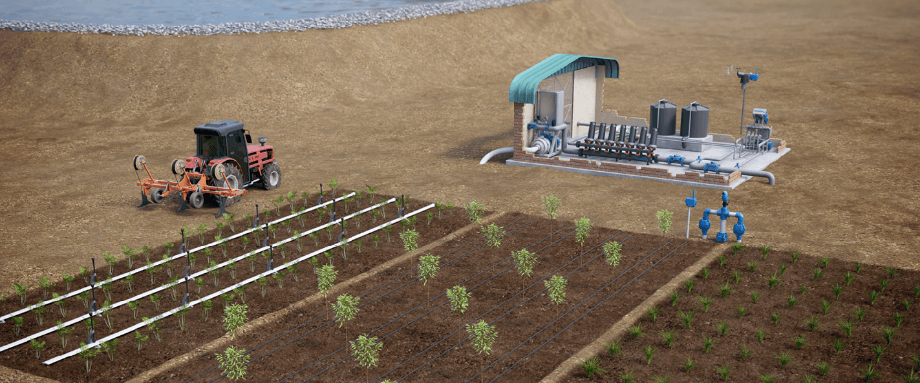
AGRICULTURAL IRRIGATION SYSTEMS
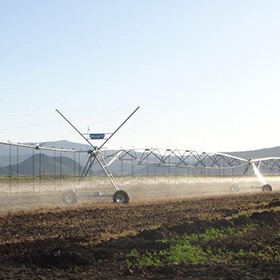
Your field is irrigated with advanced technology, fast, easy and high efficiency!
In the Agriculture Sector since 2015;
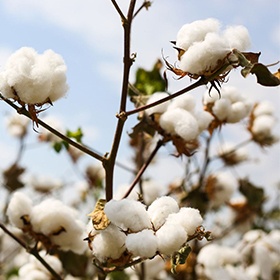
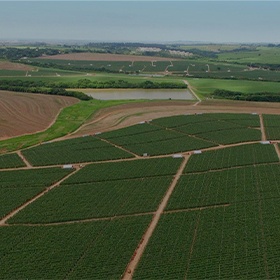
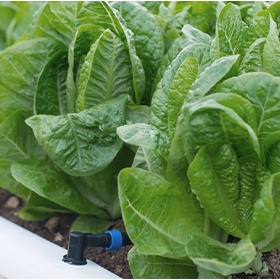
- It operates with personnel specialized in turnkey cotton irrigation, vineyard and garden irrigation.
- Project design and calculations of the work to be done are done by our expert team,
- We are with the investor during the warranty and technical service process of the project, which was concluded as a result of the studies carried out before and after the work.
- We ensure that the project reaches the result by making a project specific to the region where the project will be carried out and material selection.
- GREEN DRIP AGRO has the necessary experience and all kinds of technical resources to realize your project anywhere in the world.

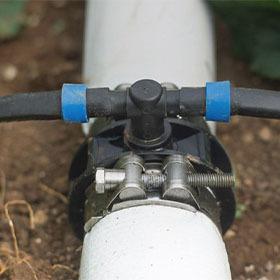
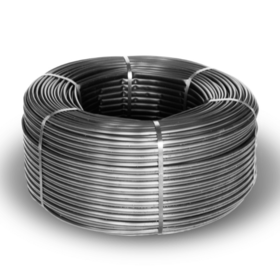
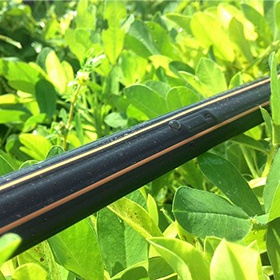
Our PE pipelines, drippers, valves and connection equipment that we use in field irrigation are suitable for the needs of the investor.
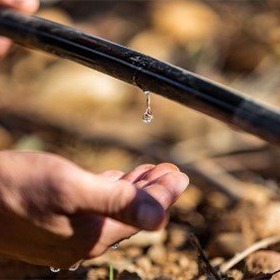
Drippers provide plant homogeneity by irrigating at the flow and pressure demanded by the plant.
PE materials used in the system can withstand high chemical and UV exposure.
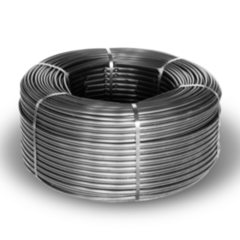
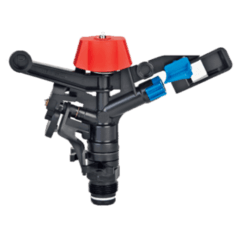
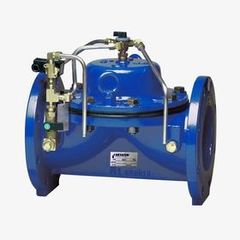
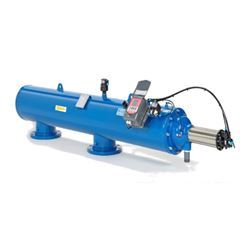
GREEN DRIP AGRO designs the shape of the system for the construction of your dream irrigation system, and presents it to you by projecting all the details to the smallest detail. It aims to offer the most accurate and economical solutions in line with all projects and experiences, calculations and data.
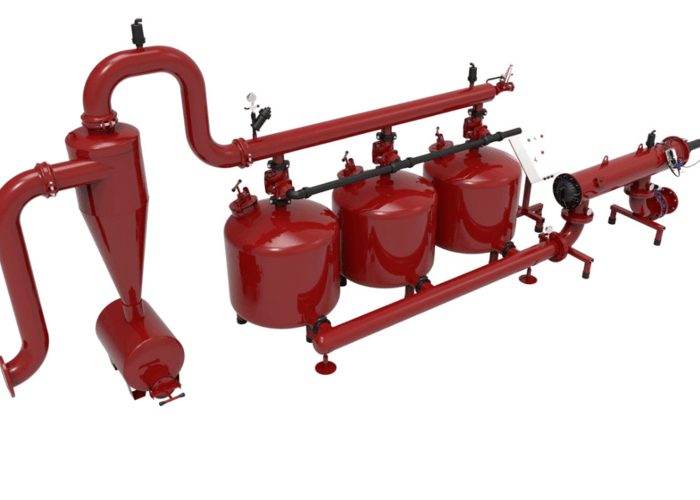
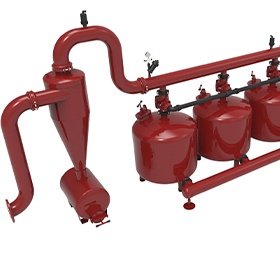
Our hydrocyclone filters pre-filter water with high sand content before passing it through a mesh filter or algae/gravel filter.
Ideal for situations where you want it. It is extremely easy to use – no need to worry about moving parts. Also extremely
long-lasting, so your irrigation system is always protected.
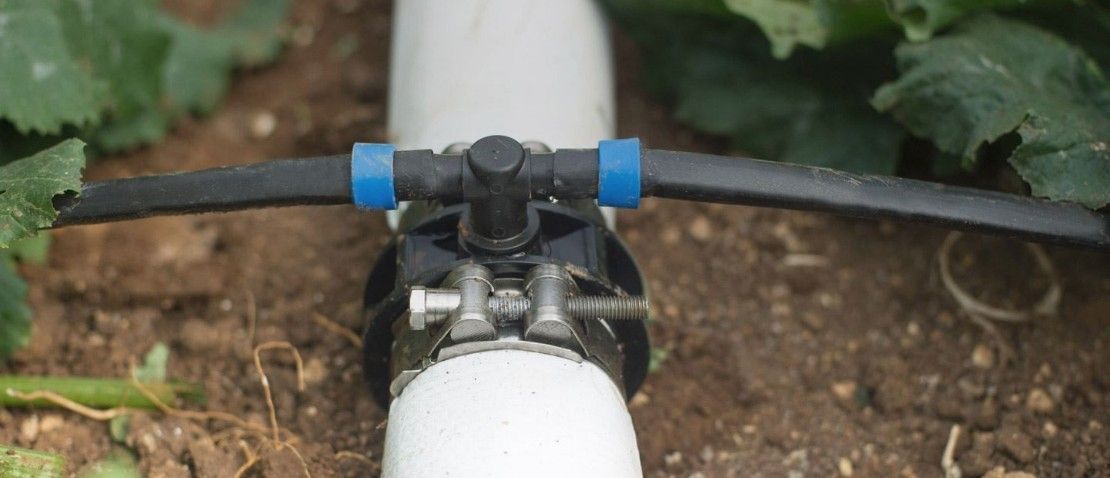
GREEN DRIP AGRO chooses the most suitable irrigation method for plant growth. Homogeneous plant nutrition is provided with the preferred irrigation method. Thus, 20% to 100% more efficiency and quality products are obtained compared to conventional methods. Of these methods
In particular, the advantages of the drip irrigation system are as follows;
- By limiting the plant development period, it provides great benefit to firstfruit cultivation.
- Water application efficiency is as high as 90% to 95%, as all losses for water application are almost completely eliminated.
is a method.
- Weed growth decreases due to the fact that the plant rows are not watered and remain dry.
- Provides irrigation opportunity in windy weather. It saves labor, fertilizer and pesticides.
- Our PE pipelines, drippers, valves and connection equipment that we use in field irrigation meet the needs of the investor.
are of appropriate qualifications.
- Drippers provide plant homogeneity by irrigating at the flow and pressure demanded by the plant.
- PE materials used in the system can withstand high chemical and UV exposure.
Three Big Effects of Smart Irrigation
We face three critical challenges. Each of these is vital to the future of the planet we live in – that's smart irrigation.
that's why it existed. Intelligent irrigation is a matter of concern so that producers can get better quality and higher yields with less resource use.
copes with all these difficulties.
Water scarcity and pollution
In every continent of the world; While great efforts are made to reach safe and reliable water reserves, agriculture and outdoor landscape irrigation
Together they consume 70% of the world's freshwater resources. (FAO- United Nations Food and Agriculture Organization)
Increasing demand for food
The world's population is expected to exceed nine billion by 2050, but the existing water resources and lands on earth are meeting this need.
not enough to meet Twice as much water and land will be needed to feed this growing population.
The need for arable land
Since the world cannot afford any more deforestation, while we produce more food on the existing lands, we can use these lands as possible.
We must keep it as efficient as possible.
⠀⠀⠀⠀⠀⠀⠀
⠀⠀⠀⠀⠀⠀⠀
⠀⠀⠀⠀⠀⠀⠀
⠀⠀⠀⠀⠀⠀⠀
⠀⠀⠀⠀⠀⠀⠀
⠀⠀⠀⠀⠀⠀⠀
⠀⠀⠀⠀⠀⠀⠀
⠀⠀⠀⠀⠀⠀⠀
⠀⠀⠀⠀⠀⠀⠀
⠀⠀⠀⠀⠀⠀⠀
⠀⠀⠀⠀⠀⠀⠀
⠀⠀⠀⠀⠀⠀⠀



©2022 GardeneryHouse Her Hakkı Saklıdır.