
HYDROPONICS
HYDROPONICS
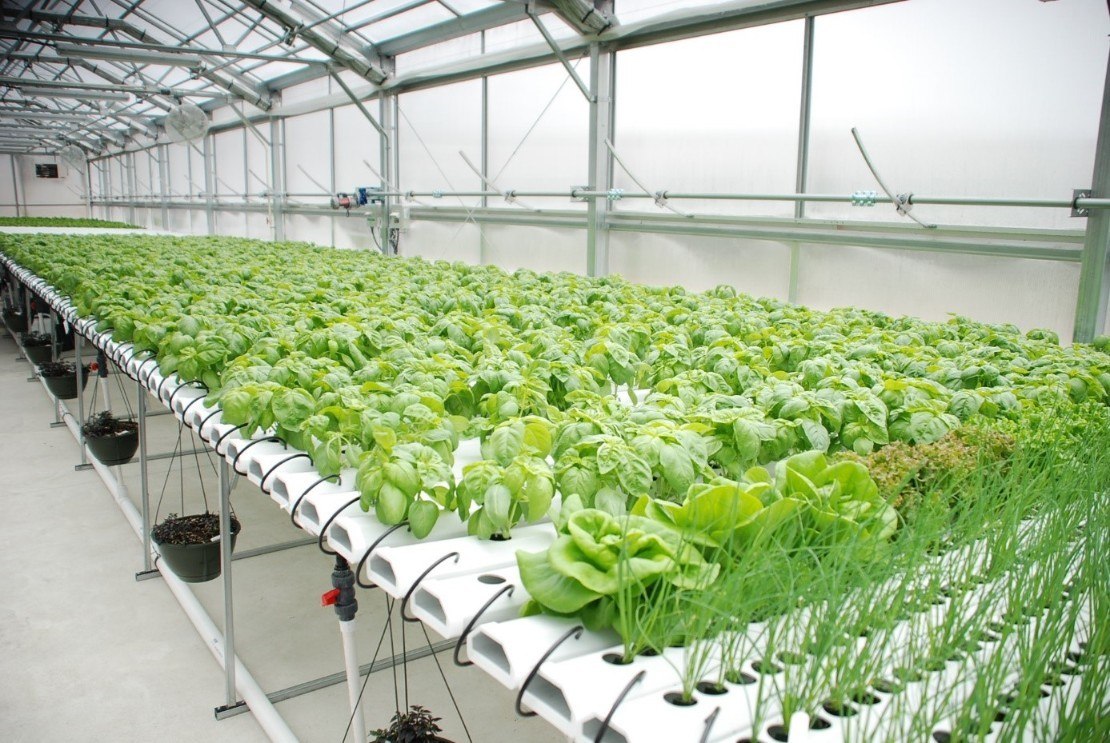
Hydroponics is a method of growing plants using mineral nutrient solutions in water without using soil. It is a subset of hydroculture. Land plants can be grown with their own roots in a mineral nutrient solution or in a neutral medium such as perlite, gravel, mineral wool, expanded clay and coconut shell.
Advantages;
Since it does not need soil, agriculture can also be done in areas with infertile soil.
- The need for water is reduced.
- Nutrition levels of plants can be controlled so that more qualified experiments can be done.
- It is not affected by factors such as pollution.
- Ease of harvest is provided.
- Plants grow healthier.
The nutrients used in hydroponic systems can come from many different sources, such as fish droppings, duck manure, chemical fertilizers or artificial nutrient solutions.
Hydroponically grown plants include model plants such as tomatoes, peppers, cucumbers, lettuce, poppies and Arabidopsis thaliana.
Hydroponic provides many advantages besides its good side like agriculture by using less water. Common farming methods require 400 liters of water to grow 1 kg of tomatoes; 70 liters of water using hydroponic and only 20 liters using aeroponics is sufficient. Thus, foodstuffs are grown in environments where there is not enough water due to the lack of water required for production
Flowing Water Culture
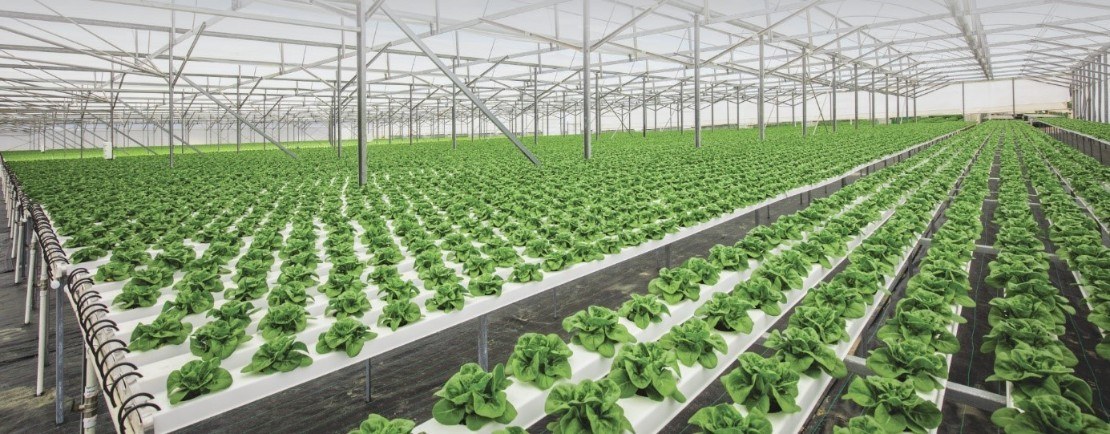
In a continuous flow solution culture, the nutrient solution flows continuously through the roots. It is easier to automate than static solution culture because sampling and adjustment of temperature, pH and nutrient concentrations can be done in a large storage tank that has the potential to serve thousands of plants. A popular type of nutrient film technique, or NFT for short, is where a very shallow stream of water containing all the dissolved nutrients necessary for plant growth recirculates through the bare roots of the plants in a thick, waterproof root mat that develops at the bottom of the channel and, although the mat is moist, comes into contact with air. It has a top surface. this much Following this, plenty of oxygen is provided to the roots of the plants. A properly designed NFT system relies on using the correct channel slope, correct flow rate and correct channel length. The benefit of the NFT system over other hydroponic applications is that the plant roots are exposed to sufficient water, oxygen and nutrients. There is a conflict between meeting these requirements in all other forms of production, because excess or deficiency of one causes an imbalance of one or both of the others. Because of its NFT design, it provides a system in which all three requirements for healthy plant growth can be met simultaneously, provided that the simple concept of NFT is always remembered and applied. The result of these benefits is high quality crop yields during the long harvest period. One downside of NFT is that it has little resistance to interruptions in flow (eg power outages). But in general it is probably one of the more productive techniques. The same design features apply to all conventional NFT systems. While channels with a slope of 1:100 have been proposed, in practice it is difficult to establish a base for channels accurate enough to allow nutrient films to flow without accumulating in locally depressed areas. After all, it is recommended to use slopes of 1:30 to 1:40. This allows for minor irregularities on the surface, but ponding and flooding can occur even on these slopes. The slope can be provided by the floor benches or shelves can hold the channels and provide the necessary slope. Both methods are used and are often dependent on local requirements determined by area and crop needs. As a general guide, the flow rate for each channel should be one liter per minute. At planting rates may be half that and a maximum upper limit of 2 litres/min appears. Flow beyond these extremes is often associated with feeding problems. Problematic growth rates of many crops have been observed when the channel length exceeds 12 meters. In rapidly growing crops, tests have shown that nitrogen can be depleted while oxygen levels remain adequate throughout the channel. As a result, the channel length should not exceed 10-15 meters. Where this is not possible, growth reduction can be avoided by placing another nutrient supply halfway along the watercourse and halving the flow from each outlet.
Still Water Culture
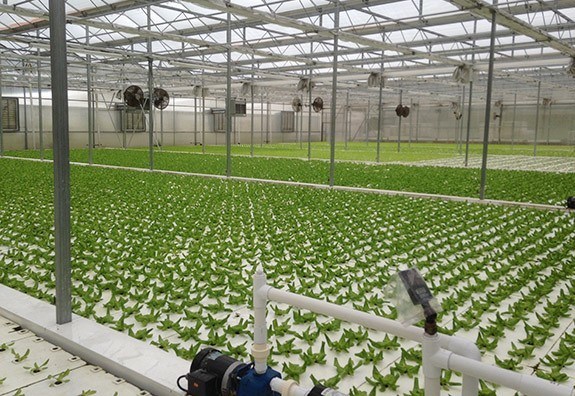
In static solution culture, plants are grown in various containers with nutrient solution such as glass jars, containers, buckets, tubs or tanks. The solution is usually slightly aerated, but may also be un-aerated. If it is not aerated, the solution level is kept low enough to have enough roots above the solution to obtain sufficient oxygen. each plant a hole is drilled at the top of the reservoir for If the container is a jar or tub, it may have a lid, otherwise it may be placed on cardboard, foil, paper, wood or metal. A single reservoir can be divided into a single plant or several plants. The reservoir size is increased as the plant size increases. A homemade system can be made from a food container or glass canning jar with aeration provided by an aquarium pump, aquarium air hose, and aquarium valves. Transparent containers are covered with aluminum foil, butcher paper, black plastic or other material to block out light, thus preventing algae growth. The nutrient solution is changed once a week or when the concentration value of the nutrient solution falls below a certain level determined by the electrical conductivity meter. Water or fresh nutrient solution is added when the solution drops below a certain level. A Mariotte bottle or float valve can be used to automatically maintain the solution level. In raft solution culture, plants are placed on a floating plastic sheet on the surface of the nutrient solution. This way, the solution level never falls below the roots.
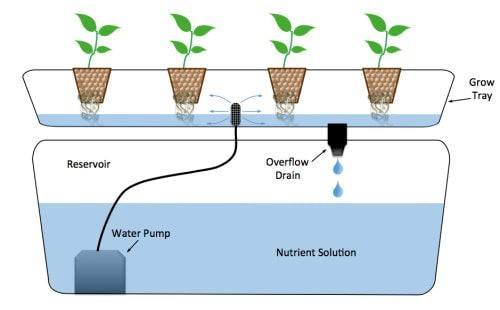
An ebb and flow hydroponic system, such as the Greentree Hydroponics Ebb and Flow System, involves flooding and draining your plants with a nutrient solution — just like the “Ebb&Flow” of the sea tide.
To use an Ebb&Flow system:
Growing Tray — This is where you’ll place your plants, seedlings, or seeds.
Reservoir — This is where the nutrient solution that’s going to feed your plants is held.
An ebb and flow system also includes a water pump and an overflow regulator, and the process is carried out automatically using a timer. Here’s how the process works:
The growing tray is situated above the reservoir that holds the nutrient solution for your plants, and the pump goes from the reservoir to the tray, pumping the solution into the tray when it’s time for your plants to be flooded.
Note: The timer that comes with an ebb and flow system will make sure your plants are flooded at the right time, which will be based on a cyclic schedule. The exact schedule depends on your plants and the environment of your grow room.
The nutrient solution will fill the growing tray until it reaches the top of the overflow regulator, which will ensure that the plants are not fully submerged in water. This will prevent oxygen from being depleted.
After your plants’ grow medium absorbs the amount of solution it needs to get the proper nutrients, the water will then drain out through the overflow regulator and back into the reservoir. This will allow the roots to dry out and aerate. However, a thin film of moisture will remain around the roots to keep them hydrated.
Allowing roots to dry out rather than being permanently submerged in water will protect them from pathogens that can lead to disease.
Ebb and flow hydroponics is a fairly simple, cost-efficient process. It’s a great option for any plants that need to experience a dry environment at times.



©2022 GardeneryHouse Her Hakkı Saklıdır.