
AKE APPLE

Also known as ankye, achee, akee, ackee apple or ayee (Blighia sapida), ackee is a fruit of the Sapindaceae soXapberry family like lychee and longan. It is native to tropical West Africa. Its scientific name honors Captain William Bligh, who transported the fruit from Jamaica to the Royal Botanic Gardens in Kew, England, in 1793. It is derived from the English common name West African Akan akye fufo.
While they have a long-standing reputation for being poisonous with potential deaths, the fruit grains are known as "delicious" when ripe, properly prepared and cooked, and are a hallmark of diverse Caribbean cuisine. Ackee is the national fruit of Jamaica and is considered a delicacy.
The edible fruit, also known as aril, is used in many cuisines. It is cooked like fruit and vegetable dishes, whose inner tears are bright red and yellow.
The fruit, whose name in Africa is "Akye Fufo", has spread from West Africa under the name Ake. In general, the tree, which can grow up to 12 meters, is an evergreen tropical tree. With its rich essential fatty acid content, the fruit can vary anywhere from light yellow to bright red. Natural opening and maturation will be beneficial. When the fruit opens on the tree, 3 large round black seeds are spread out, surrounded by a thick, oily, yellow rind. These seeds are rich in vitamin A, zinc and protein.
BANANA

Mango

KIWI

AVOCADO

DRAGON FRUIT
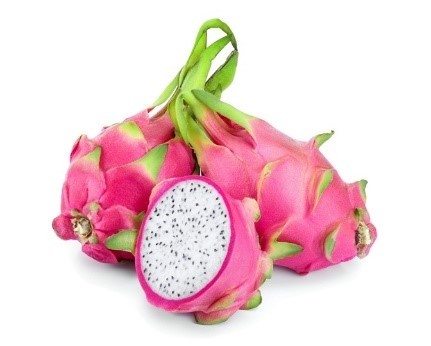
PİNEAPPLE

BLUEBERRIES
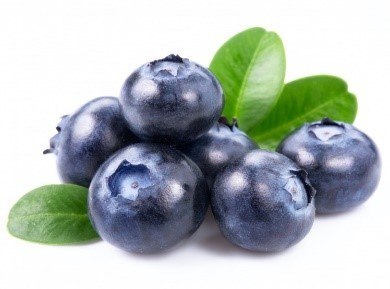
ORANGE

MANDARIN
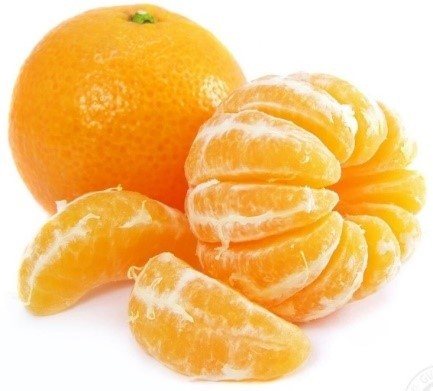
LEMON
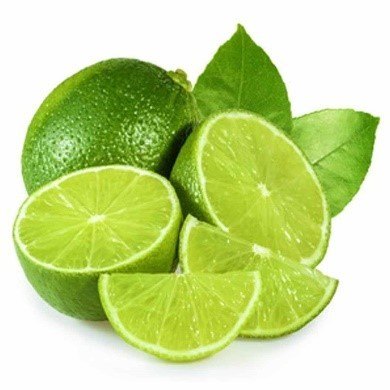
GUAYABO FRUIT
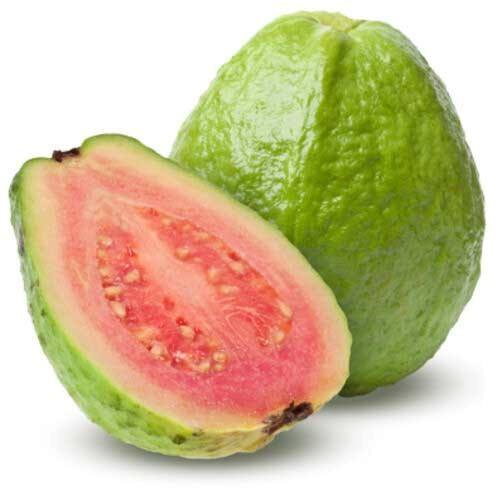
WOLF GRAPES

MELON FRUIT
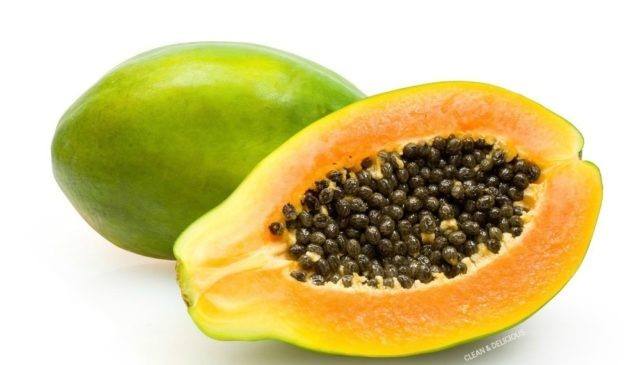
COFFEE FRUIT
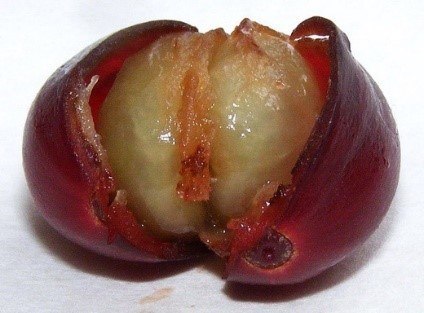
HORNED MELON
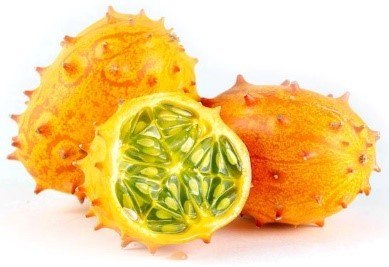
AKE APPLE

CİNNAMON APPLE
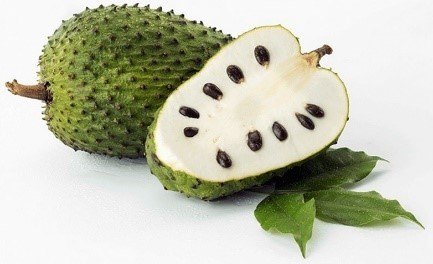
BABAKO

DATE PEACH

PEANUT BUTTER FRUIT
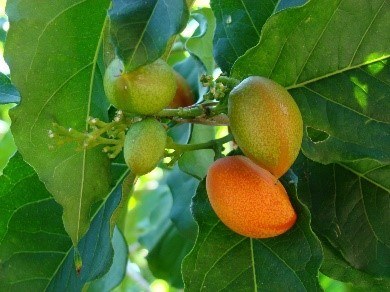
Nance Fruit

STAR FRUIT

COCONUT

AFRICAN PEAR
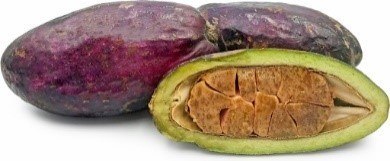
IDIOT FRUIT

CREAM TREE

QUEEN OF FRUITS
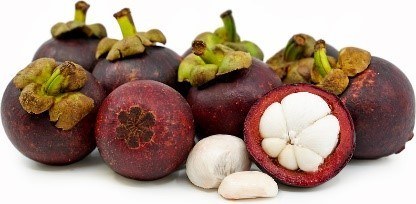
PASSİONFLOWER

RAMBUTAN




©2022 GardeneryHouse Her Hakkı Saklıdır.