
PASSİONFLOWER
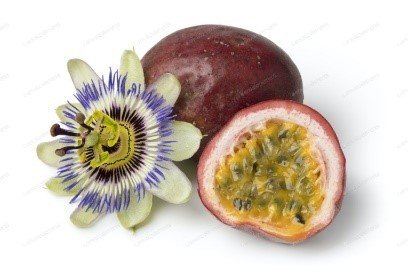
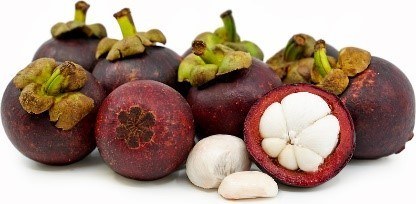
Passiflora; It is also called Passion Fruit, Passion Fruit, Marocha, Maracuja, Passion Fruit and Love Fruit. Its homeland is Brazil and it grows very easily in the Mediterranean region. Its taste and aroma are unique, its aroma remains in the mouth for a long time. It is known to have relaxing and calming properties. Passiflora syrups are made from fruit juices. Since it is not grown in our country, it is not available in the market, but in European countries it is sold for 1.80 euros in greengrocers and markets. It can be grown on walls and pergula. Passiflora (passion fruit) is an exotic fruit with a purple outer part and a core structure. It is an example plant of the Passionflower family. Its homeland is Tropical America. From there there are about 400 species spread around the world. Dark green leaves with 5-7 segments are alternately arranged; The flamboyant, wheel-shaped flowers that bloom throughout the summer are purple, pink or red in color and large.
Passiflora grows well in well-drained, sandy-loam soils with a pH between 6.5-7.5 and 60% of the roots develop at a soil depth of 30 cm. Passiflora plant has an evergreen, woody and enveloping structure. The ideal growth temperature for Passiflora plant is 21-25oC. The decrease in temperature adversely affects the uptake of plant nutrients and fruit production. When the average temperature is between 21-28 °C, the fruit development period was recorded as 60 days, and below 23 °C and above 33 °C, 75 days. In Passiflora cultivation, the relative humidity is required to be around 60%. If the relative humidity is above 60%, the risk of encountering some diseases increases.
BANANA

Mango

KIWI

AVOCADO

DRAGON FRUIT
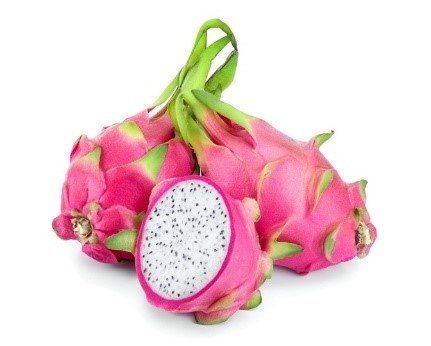
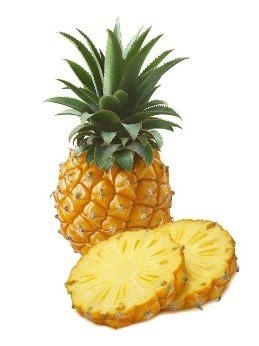
PİNEAPPLE
BLUEBERRIES

ORANGE

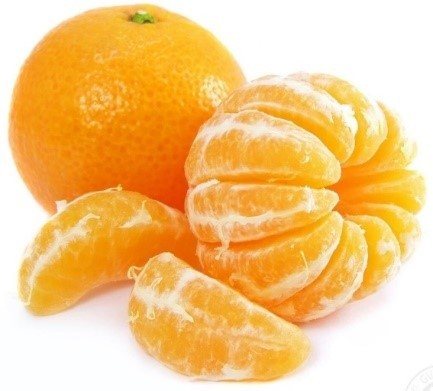
MANDARIN
LEMON
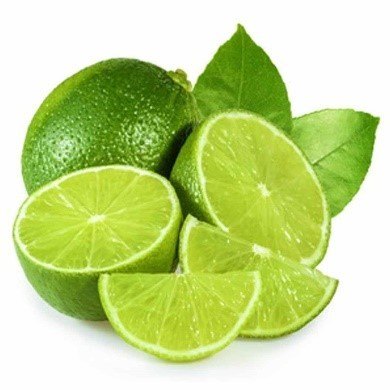
GUAYABO FRUIT
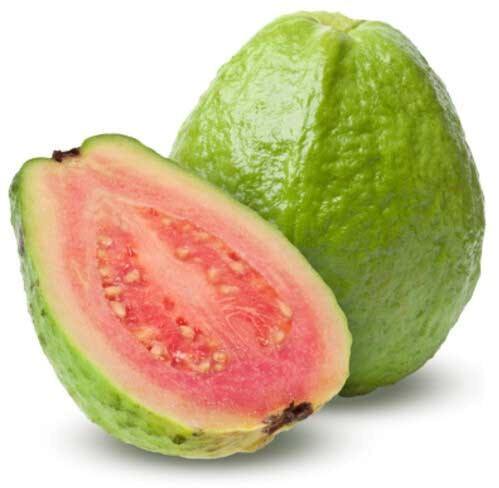
WOLF GRAPES

MELON FRUIT
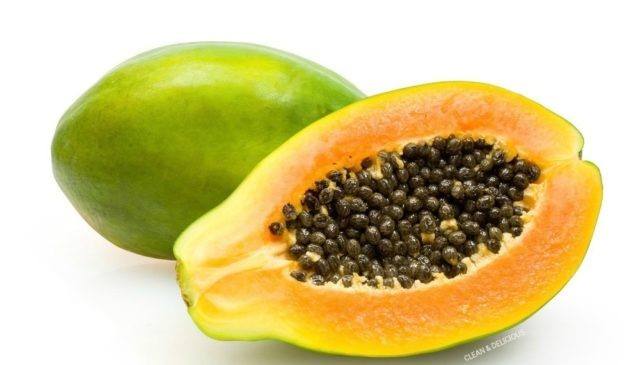
COFFEE FRUIT
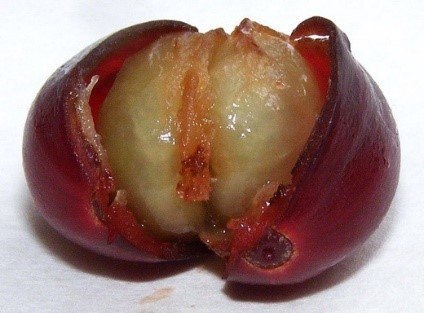
HORNED MELON
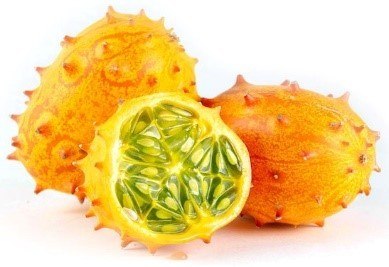
AKE APPLE

CİNNAMON APPLE
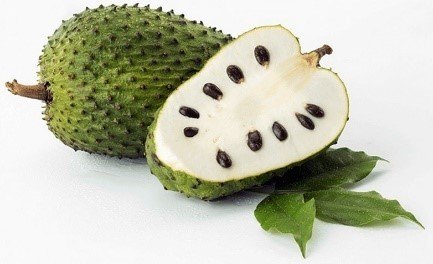
BABAKO

DATE PEACH

PEANUT BUTTER FRUIT
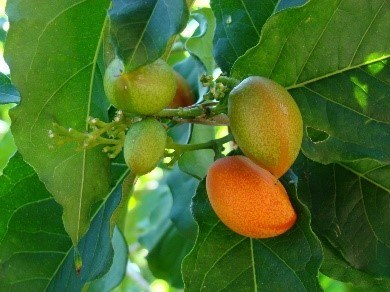
Nance Fruit

STAR FRUIT

COCONUT

AFRICAN PEAR
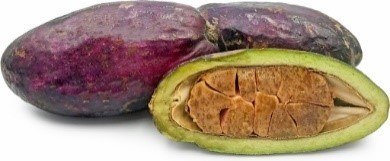
IDIOT FRUIT

CREAM TREE

QUEEN OF FRUITS
PASSİONFLOWER

RAMBUTAN




©2022 GardeneryHouse Her Hakkı Saklıdır.