
LEMON

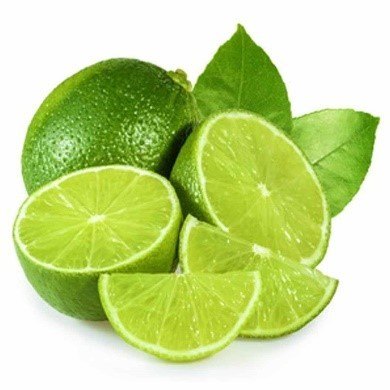
Lime Lemon is smaller in size than other lemon species. That's why it is called lime lemon with its Turkish name. Average fruit size is 6 cm. The most distinctive feature of its varieties is that it has a higher aroma than normal lemon types. It is consumed while green, so it is also called a green lemon. It is known by alternative names Mexican lime, Tahitian lime, and persian lime. Recently, its botanical name has been determined as Citrus latifolia.
The trees are usually thornless. They usually have light fruit breasts. Some varieties have a few seeds. In general, the seedless type is preferred commercially. Among these Species, Persian lime grown in Iran is the most common commercial variety. The flowers turn white.
Protect the plant from sunburn. Breeders have developed decorative varieties that are very popular with those who want to decorate the room with live plants and taste lime from their own tree. In the plant room, the east and west sides are chosen, where direct sunlight does not fall. Daylight hours should be 10 to 11 hours, if the side is north, illuminate it with a lamp. Do not put the lime tree on the south side. The heat and sunlight reflected from the glass will destroy the tree.
In the spring and summer, the indoor temperature should be maintained between 32 and 35 °C, and at least 9 to 16 °C in the fall and winter. If the temperature regime is not observed, it slows down plant growth and development. The ovary and buds will fall off with a cold snap and will not bear fruit.
Lime is a citrus fruit from the tropics. It likes moisture and heat that harms other fruits.
BANANA

Mango

KIWI

AVOCADO

DRAGON FRUIT
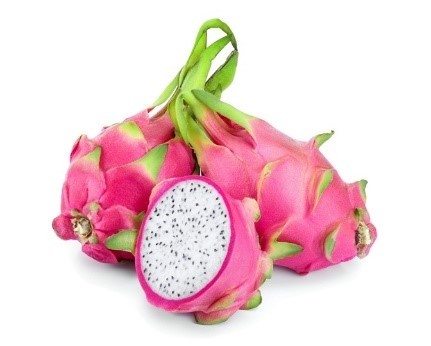
PİNEAPPLE
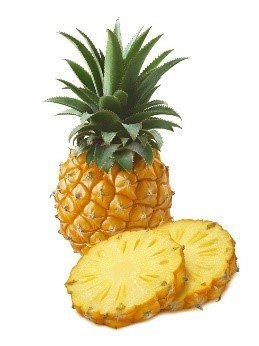
BLUEBERRIES
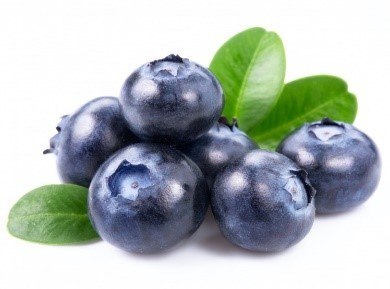
ORANGE

MANDARIN
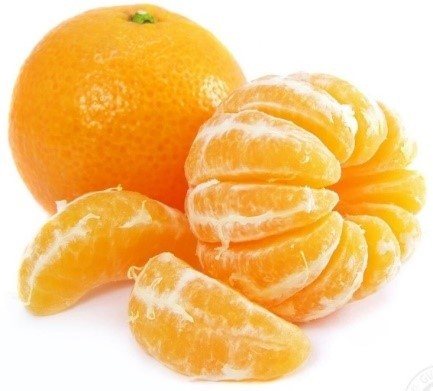
LEMON
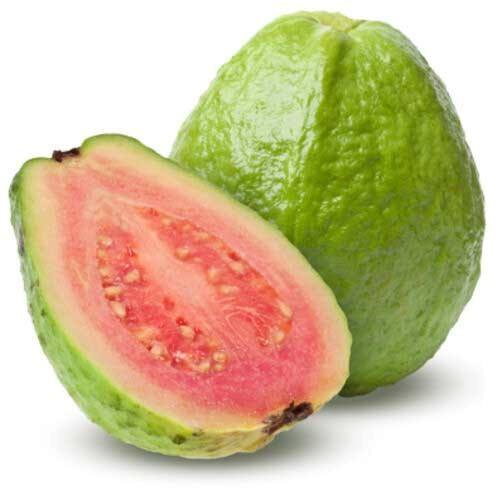
GUAYABO FRUIT
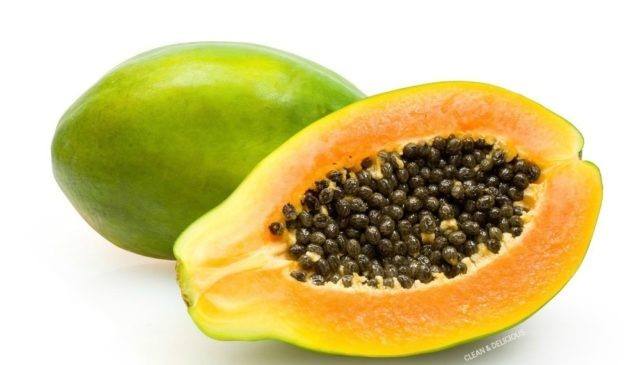
WOLF GRAPES

MELON FRUIT
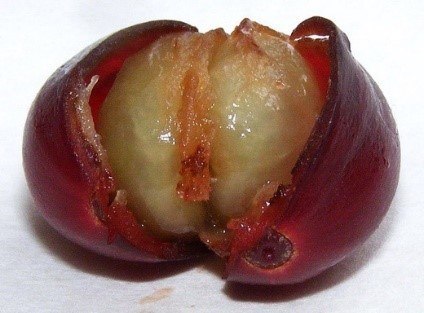
COFFEE FRUIT
HORNED MELON
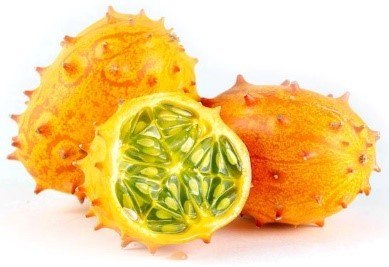
AKE APPLE

CİNNAMON APPLE
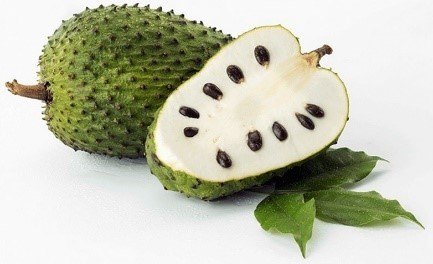
BABAKO

DATE PEACH

PEANUT BUTTER FRUIT
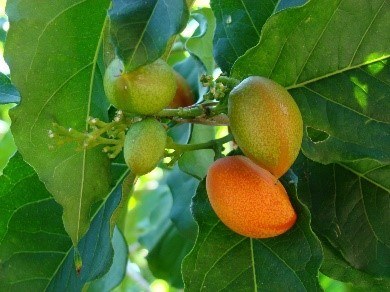
Nance Fruit

STAR FRUIT

COCONUT

AFRICAN PEAR
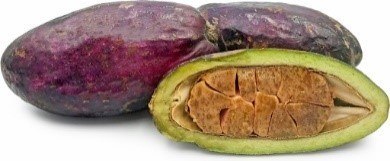
IDIOT FRUIT

CREAM TREE

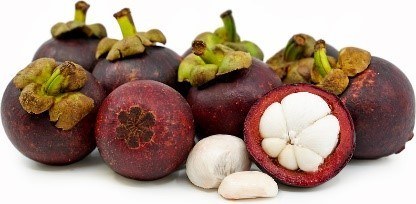
QUEEN OF FRUITS
PASSİONFLOWER

RAMBUTAN




©2022 GardeneryHouse Her Hakkı Saklıdır.