
CREAM TREE
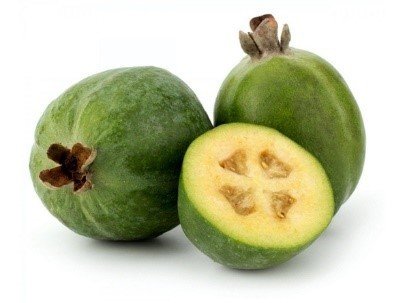
Cream tree (Feijoa sellowiana) is a plant species of myrtle family (Myrtaceae). It is native to Brazil, Paraguay, Uruguay and Argentina. Its fruit is green in color. It is the size of a walnut. Although related to guava, it is called Pinapple Guava (Pineapple Guava) in English. It is one of the most cold-resistant species in the Guava family it is related to, it can withstand temperatures down to -16 degrees Celsius. It can be produced from seeds, cuttings. In seed production, it begins to bear fruit at the end of 3 years after germination. Its fruits ripen 4-5 months after the flowering period and can be harvested. The time between flowering and harvest is shortened in warm ecologies and longer in cooler ecologies. Ripe fruits fall to the ground. During this period or just before, the fruits are collected, the fruits spilled on the ground are not eaten immediately, they can become edible after waiting for about 2 or 3 weeks. The ripened fruits soften slightly and the flesh turns creamy. On the inside of the fruit, the core house takes on a light brown color and appears gelatinous. The whole fruit, including the peel, can be eaten. There are 25-30 seeds in a fruit. It is rich in iodine. Therefore, it is known that it is good for goiter disease. The cream tree plant lives for 50-60 years and gives fruit. It is not a plant produced only for its fruit. It is also frequently used in landscape areas.
The climatic requirements of feijoa are almost the same as olives, only the water demand is slightly higher. For this reason, feijoa orchards can be easily established in olive growing areas. It is resistant to winter cold down to -16 °C, but frosts before harvest damage the fruit. It can be grown up to 700 meters altitude. The places where the garden will be established should be sheltered from the constantly blowing hard and dry winds. Excessive snowfall in winter can cause branches to break. In this case, branches and shoots should be tied all around with several rows of rope.
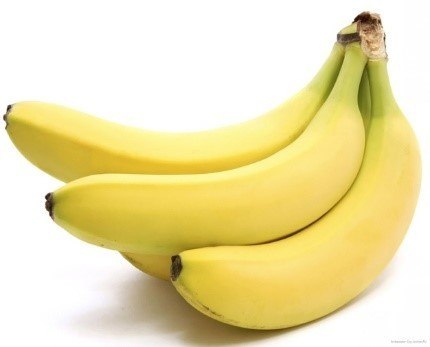
BANANA
Mango

KIWI

AVOCADO

DRAGON FRUIT
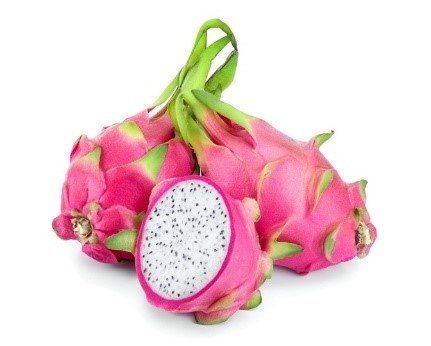
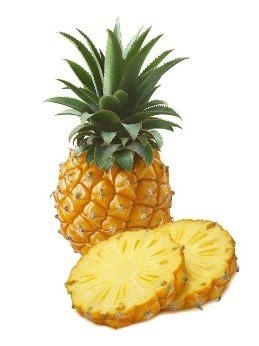
PİNEAPPLE
BLUEBERRIES
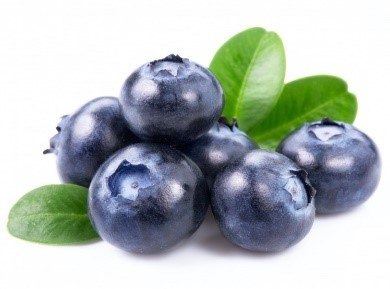
ORANGE

MANDARIN
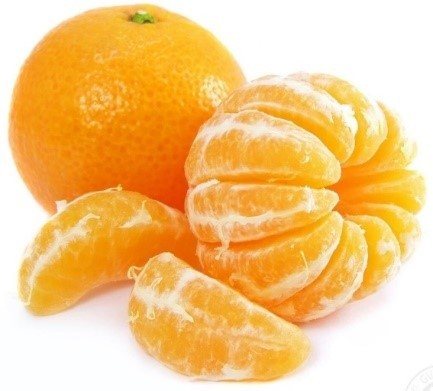
LEMON
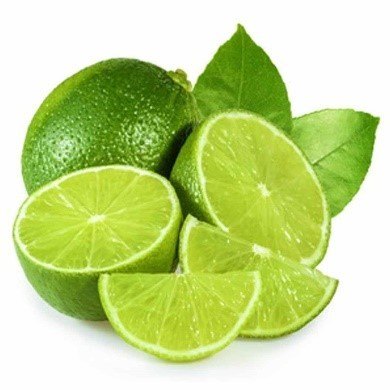
GUAYABO FRUIT
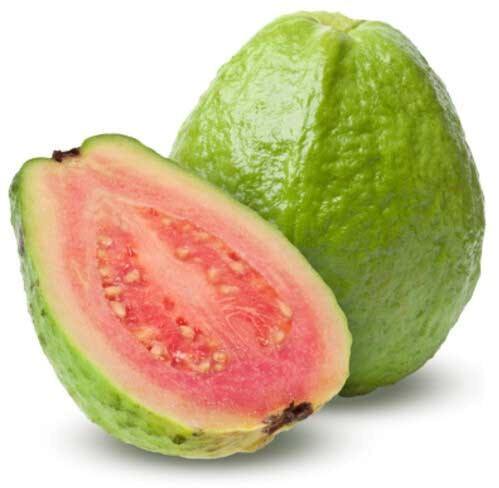
WOLF GRAPES

MELON FRUIT
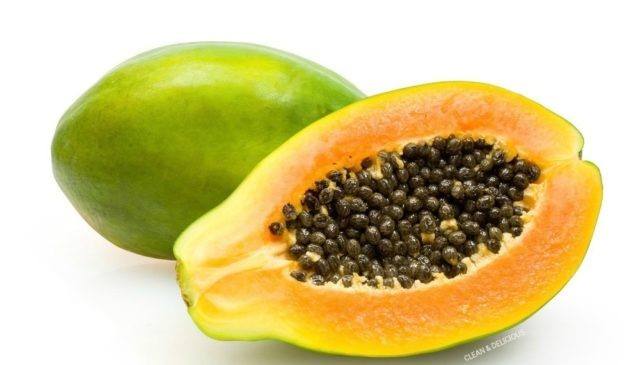
COFFEE FRUIT
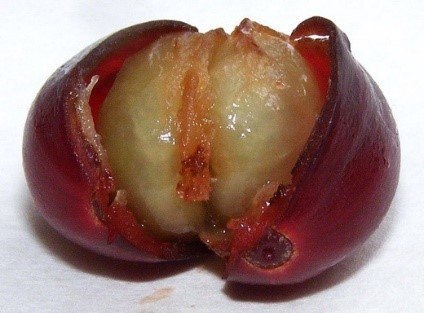
HORNED MELON
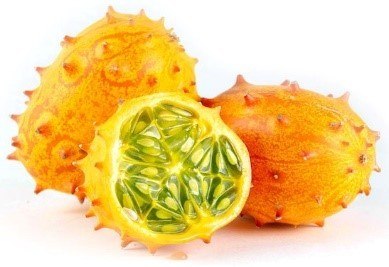
AKE APPLE

CİNNAMON APPLE
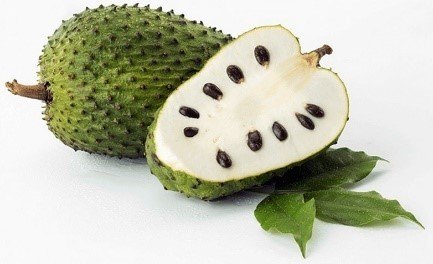
BABAKO

DATE PEACH

PEANUT BUTTER FRUIT
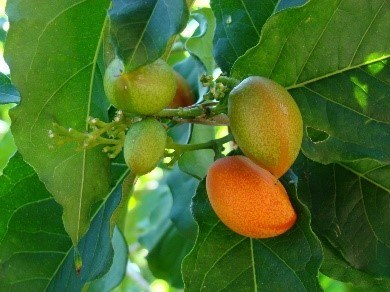
Nance Fruit

STAR FRUIT

COCONUT
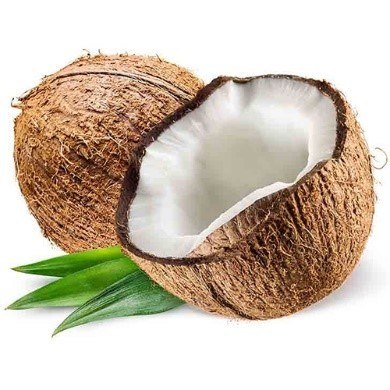
AFRICAN PEAR
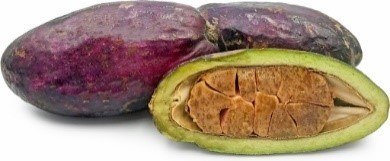
IDIOT FRUIT

CREAM TREE

QUEEN OF FRUITS
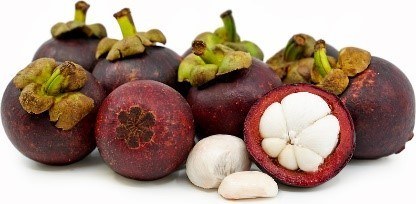
PASSİONFLOWER

RAMBUTAN




©2022 GardeneryHouse Her Hakkı Saklıdır.