
RAMBUTAN

Rambutan is a tree that is estimated to be the homeland of the Malaya peninsula and is 9 m. It grows to a height and its fruits are formed in clusters. The color of the outer shells of the fruits varies between yellow and red and they have sharp and soft spines on them. Since the fruit flesh under the peel is light yellow in color and too hard to be bitten easily, the fruit is consumed by sucking. Rambutan is about the size of a small apple, and its flavor and smell varies between sweet, sour and sour depending on the type. This fruit tree requires a rainy and homogeneous air humidity, that is, a completely tropical climate for its growth. However, it is easily grown in the Gazipaşa district of Antalya province. Rambutan trees, which are the most popular types, have seeds that can be easily separated from the fruit flesh, give two crops, one large and one small, and can easily grow in any soil if they are well processed. Rambutan is usually produced by the marcottage method; however, it can also be produced by growing seedlings from seed and grafting them. Planting spacing is 10 X 10 m.
The main distribution of rambutan is Southeast Asian countries. The culture is cultivated in Indonesia, Thailand, Malaysia, Africa, Australia, Central America. Large plantations are located in Cambodia, the Philippines, India.
The largest supplier of this product to the world market is Thailand, where the cultivation of rambutan covers huge areas.
This culture is sensitive to temperature changes, does not feel comfortable at temperatures below 10 ° C. The ideal temperature for its growth and development is 27 - 28 °C and air humidity is 83 - 90%.
The tree prefers nutrient-rich, deep, well-drained soils, clay and sandy loams.
BANANA

Mango

KIWI

AVOCADO

DRAGON FRUIT
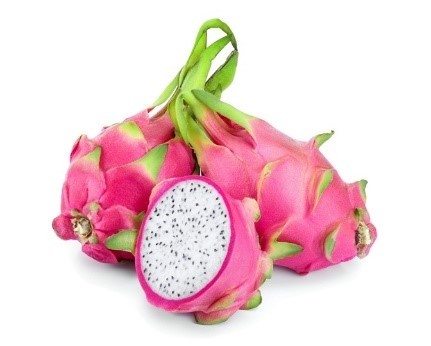
PİNEAPPLE
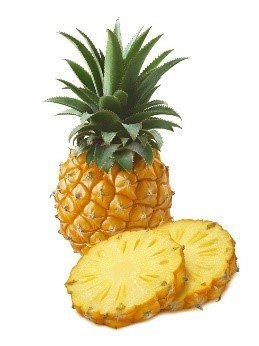
BLUEBERRIES
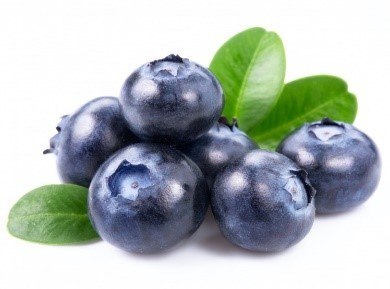
ORANGE

MANDARIN
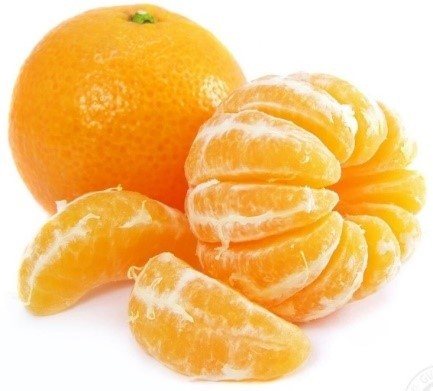
LEMON
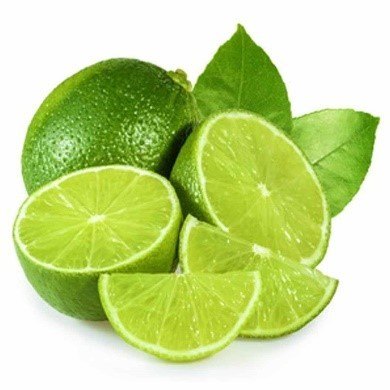
GUAYABO FRUIT
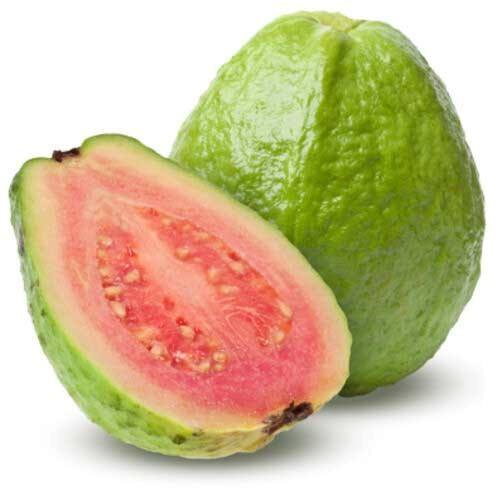
WOLF GRAPES

MELON FRUIT
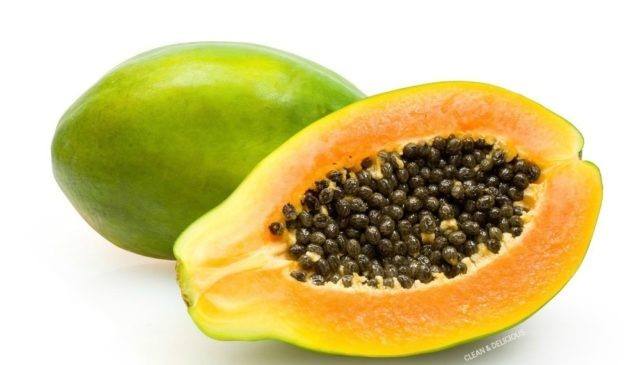
COFFEE FRUIT
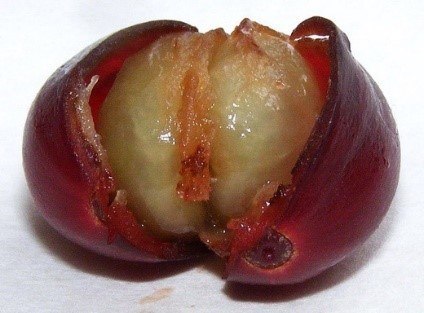
HORNED MELON
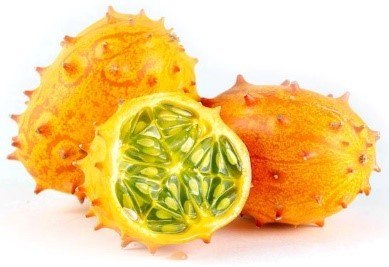
AKE APPLE

CİNNAMON APPLE
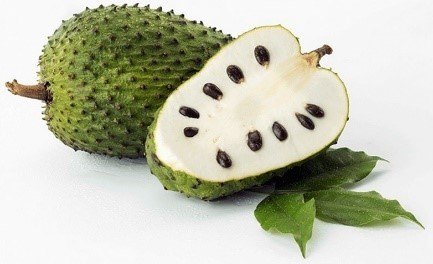
BABAKO

DATE PEACH

PEANUT BUTTER FRUIT
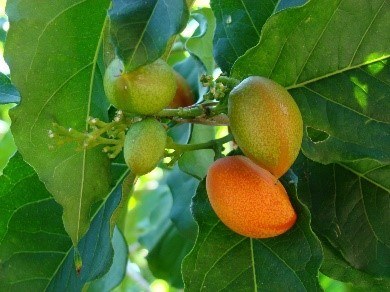
Nance Fruit

STAR FRUIT

COCONUT
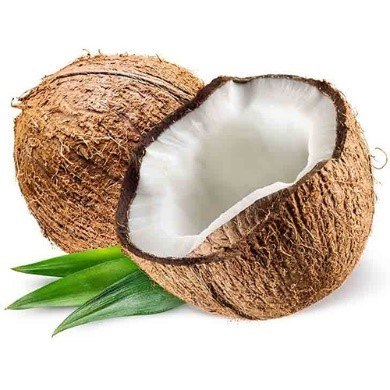
AFRICAN PEAR
IDIOT FRUIT

CREAM TREE

QUEEN OF FRUITS
PASSİONFLOWER

RAMBUTAN




©2022 GardeneryHouse Her Hakkı Saklıdır.