
BANANA
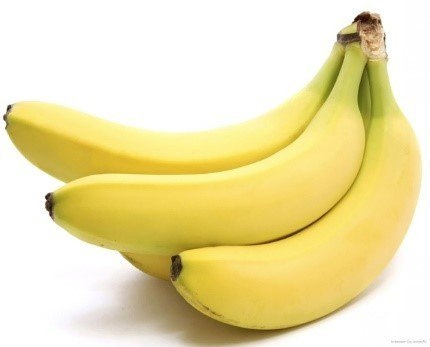
Banana is the name given to the tree-like plant that can grow naturally in tropical regions and to the long fruits with green, pink, red peels that grow on the plant. Banana, which is consumed by people of all ages because of its deliciousness, usually starts to form as green in our country and takes a yellow color as it matures. Banana, which is described as a tree due to its height of 8-9 meters, is actually a perennial plant. Just like the fruits of the banana tree, the leaves are in an elongated form. It is known that the name of the banana was taken from the doctor Antonius Musa silver, who encouraged the planting of the fruit. The bunch of bananas is called hevenk. Bananas, which grow productively at an average temperature of 26 degrees, become harvestable in approximately 125-150 days.
Banana is produced by seed, tuber or bottom shoots. The seedlings produced by these planting types are then separated from the soil with their roots and transferred to the place where they will grow. The roots of the fruit may be very developed or weak depending on the health condition. The right time for sowing is from March to May.
The most accurate technique to get a healthy product is drip irrigation. It likes soils rich in organic matter. For this reason, care should be taken to ensure high soil fertility and fertilization. Organic fertilizer prevents seedlings from being damaged by cold. It is a perennial plant species. The part under the soil is called the tuber, and the part above it is called the trunk. Depending on the type, the length of the trunk can be 1-2 meters or 5-6 meters. After the development of the leaves is completed, buds form and begin to bear fruit. Groups of fruits formed in clusters are called hevenk. Harvest period is between 76 – 110 days.
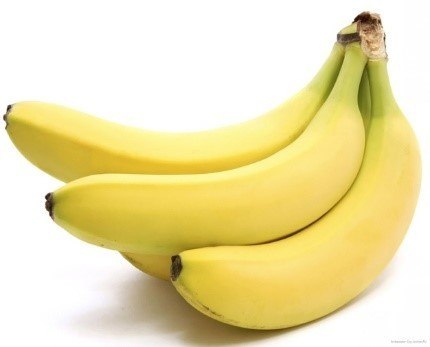
BANANA
Mango

KIWI

AVOCADO

DRAGON FRUIT
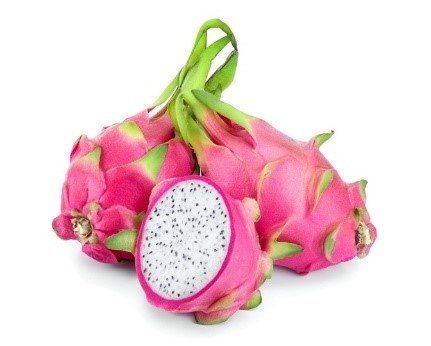
PİNEAPPLE
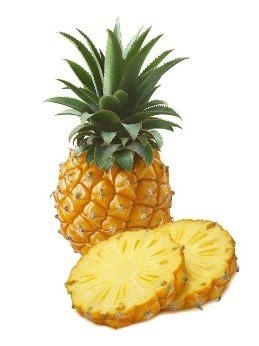
BLUEBERRIES
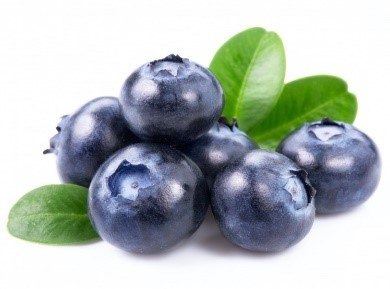
ORANGE

MANDARIN
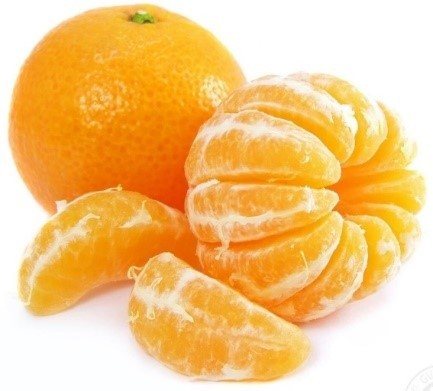
LEMON
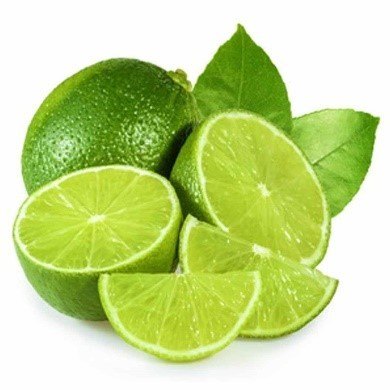
GUAYABO FRUIT
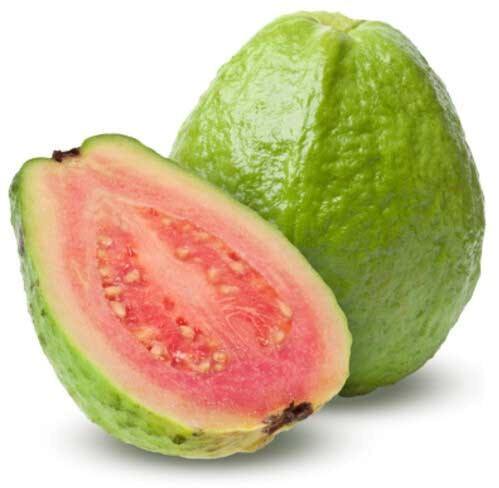
WOLF GRAPES

MELON FRUIT
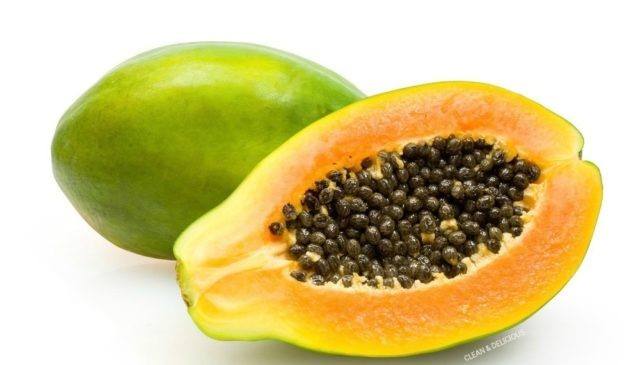
COFFEE FRUIT
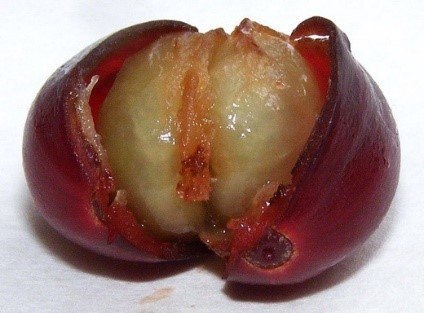
HORNED MELON
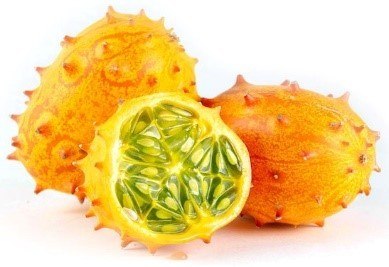
AKE APPLE

CİNNAMON APPLE
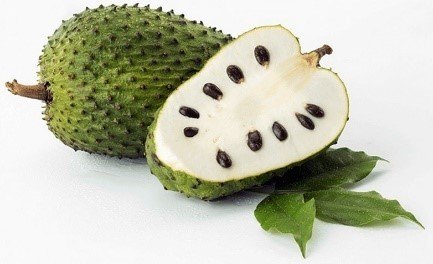
BABAKO

DATE PEACH

PEANUT BUTTER FRUIT
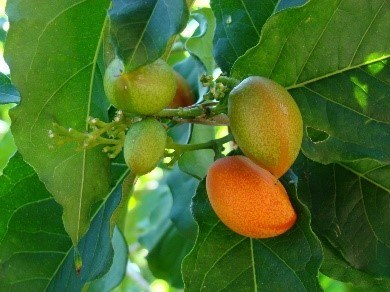
Nance Fruit

STAR FRUIT

COCONUT
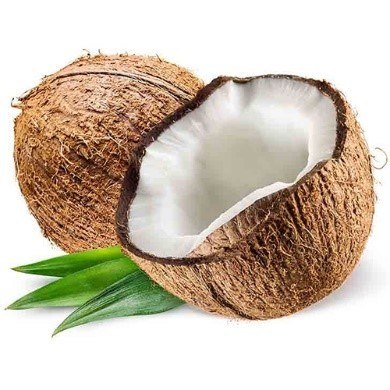
AFRICAN PEAR
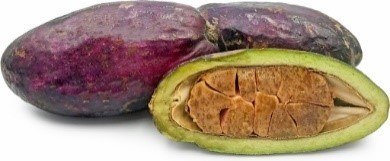
IDIOT FRUIT

CREAM TREE

QUEEN OF FRUITS
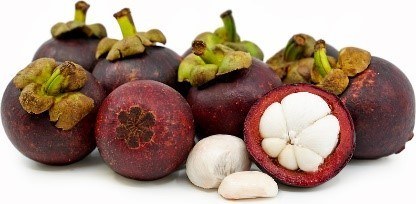
PASSİONFLOWER

RAMBUTAN




©2022 GardeneryHouse Her Hakkı Saklıdır.