
KIWI

The kiwi, which first originated in China, later spread to Europe in 1847. Although it is not possible to naturally grow kiwi in Turkey, there are studies on growing kiwi in greenhouses. The kiwi tree, which grows on a vine like a grape, regularly sheds its leaves every year. During the sowing phase, the kiwi seeds are planted approximately 5 meters apart.
Kiwi vines need fertile soil and abundant watering during the development phase. Although kiwi is generally a temperate climate fruit, the vines also need cold weather to sprout.
The areas where kiwi can be grown are warm in winters and hot and humid in summers. Young shoots formed with buds in the spring are very sensitive to frost. Kiwi gives good results in deep and draining, non-calcareous soils. It grows well in soils with a pH of 5.5-7.6.
Kiwi saplings should be planted with a minimum of 4 meters between rows and rows, with the calculation of 1 male for 8 females. To plant a kiwi sapling, a 40 cm deep, 50 cm wide sapling pit is dug; Topsoil is placed on one side and subsoil on the other. The soil coming out from the top is mixed with plenty of burnt farm manure and put into some pit. A root toilet is made for the sapling to be planted, the crushed, dried, damaged roots of the sapling are removed and cleaned, then the sapling is placed on the camber. It is filled with the subsoil coming out of the sapling pit. It is necessary to trample the soil to ensure that it touches the roots. When the planting work is finished, a herk should be planted next to the sapling, the sapling should be tied to this place, the top cut should be made and life water should be given.
BANANA
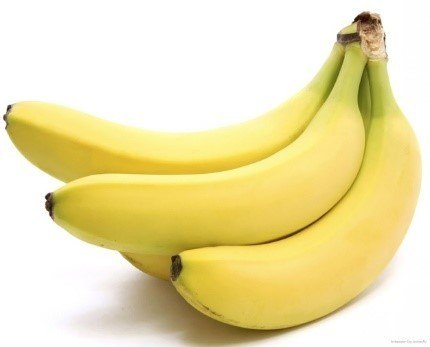
Mango

KIWI

AVOCADO

DRAGON FRUIT
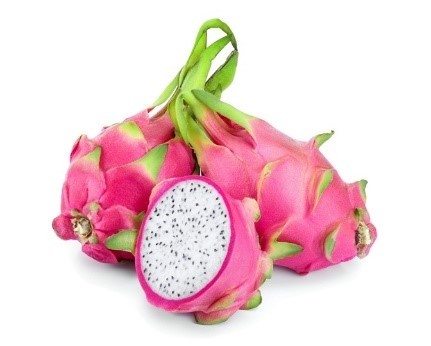
PİNEAPPLE
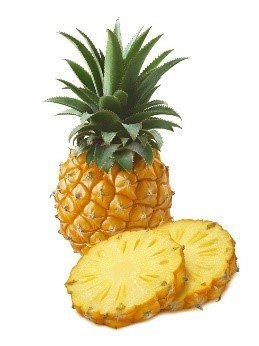
BLUEBERRIES
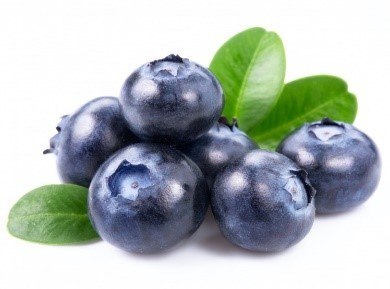
ORANGE

MANDARIN
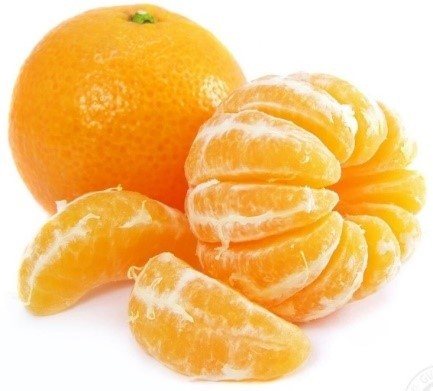
LEMON

GUAYABO FRUIT
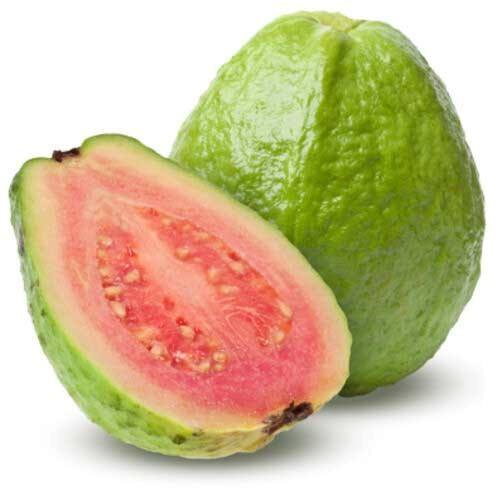
WOLF GRAPES

MELON FRUIT
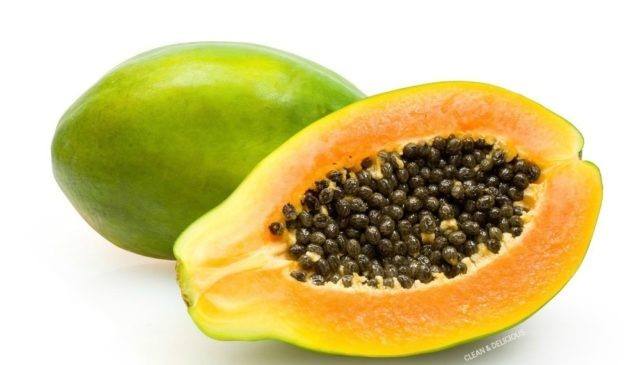
COFFEE FRUIT
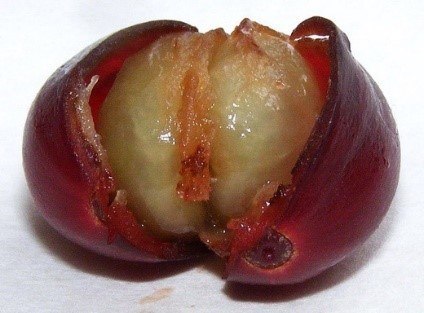
HORNED MELON
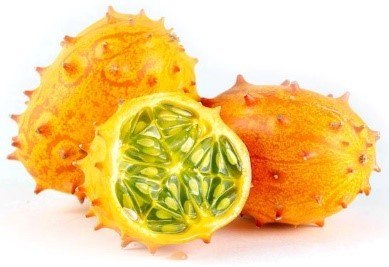
AKE APPLE

CİNNAMON APPLE
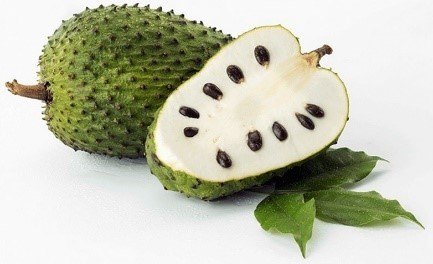
BABAKO

DATE PEACH

PEANUT BUTTER FRUIT
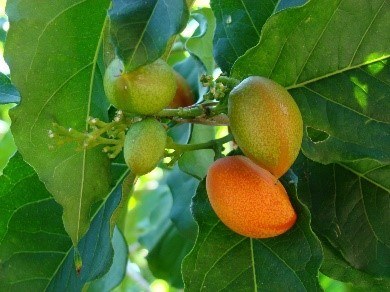
Nance Fruit

STAR FRUIT

COCONUT

AFRICAN PEAR
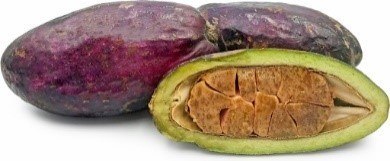
IDIOT FRUIT

CREAM TREE

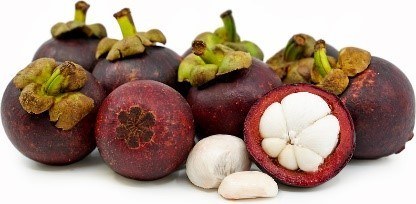
QUEEN OF FRUITS
PASSİONFLOWER

RAMBUTAN




©2022 GardeneryHouse Her Hakkı Saklıdır.