
PEANUT BUTTER FRUIT
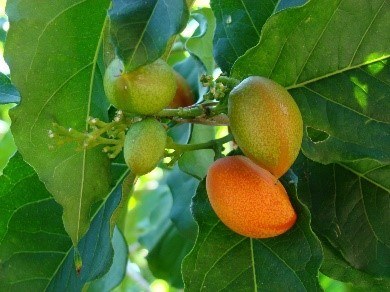
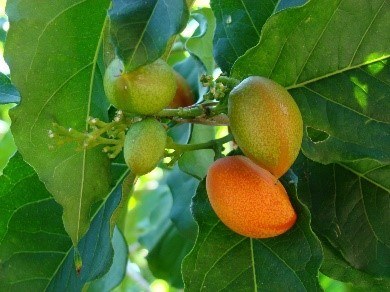
Bunchosia, known as the peanut butter fruit, is a species of flowering plant in the acerola family Malpighiaceae, native to Argentina, Venezuela, Colombia, Peru, Brazil, Guyana, and Suriname. It produces small orange-red fruits with a pleasant taste similar to peanut butter. The leaves are pointed and intensely silvery or golden on the off-axis side.
Trees that have reached the age of two or three usually begin to bear fruit. And from the age of three or four, they can enjoy harvesting up to three times a year. The fruits of silver bunhozia form peculiar clusters and are characterized by an elliptical shape. The length of each fruit is relatively short, usually ranging from three to four centimeters. As for the color of the fruit, it can be yellow, orange or bright red. The pulp contained in each fruit and surrounding a rather large bone is very sticky, thick and deliciously flavorful, and its consistency is somewhat similar to that of fig pulp. True, some people claim that the silver bunhozia fruit tastes a lot like raw sweet potatoes.
And the fruits of this wonderful plant have a pronounced aroma of peanut butter, which is why it is sometimes called the "peanut butter tree."
For the first time, silver bunhozia was discovered in Central and South America, where it has been successfully grown to this day. In addition, this crop is grown on the territory of South Florida and Columbia, as well as on the picturesque islands of the Caribbean and remote Venezuela.
When growing silver bunhozia, there is absolutely no need to constantly maintain high temperatures, this feature allows you to grow this unusual tree even at an altitude of 4600 meters. But when frozen, fruit trees can die.
Bunhozia silvery requires a sufficient amount of light and well-moistened soil, as the growing season is very long. It reproduces by seeds. Before you start growing silver bunhozia, you should carefully familiarize yourself with the technology of cultivation, since this culture is considered quite capricious.
BANANA
Mango

KIWI

AVOCADO

DRAGON FRUIT
PİNEAPPLE
BLUEBERRIES
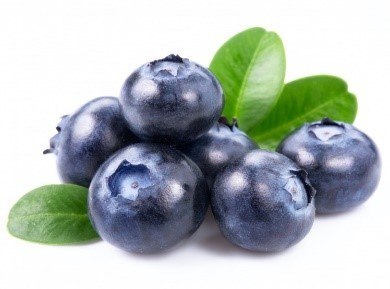
ORANGE

MANDARIN
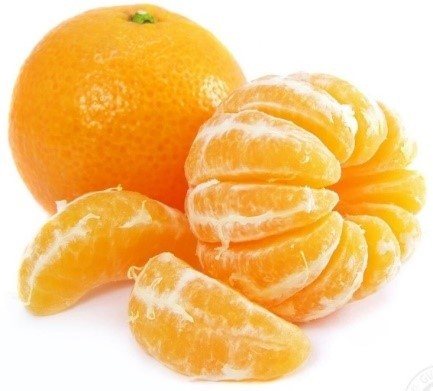
LEMON
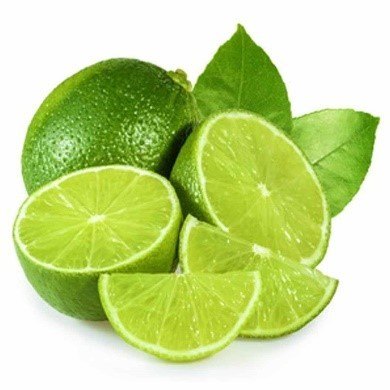
GUAYABO FRUIT
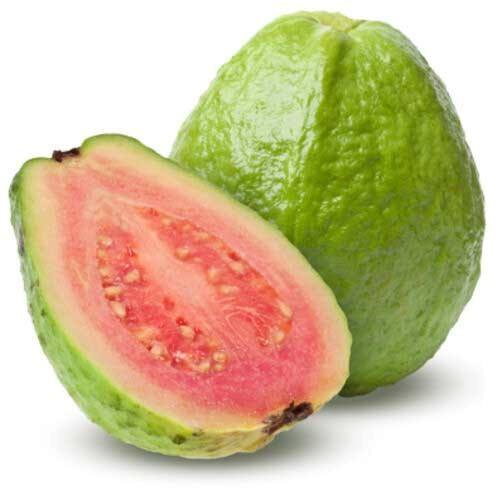
WOLF GRAPES

MELON FRUIT
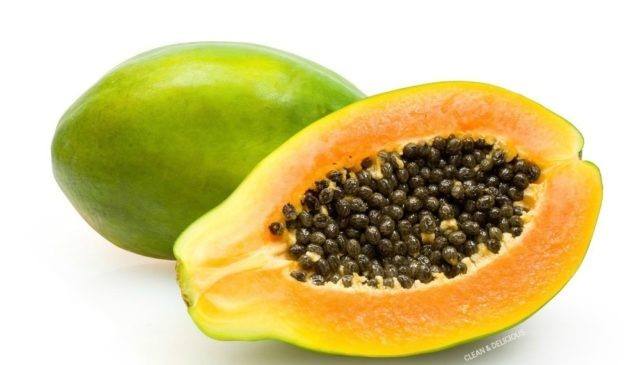
COFFEE FRUIT
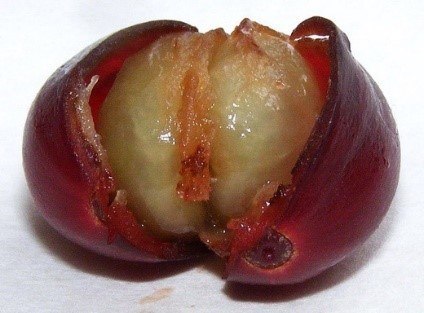
HORNED MELON
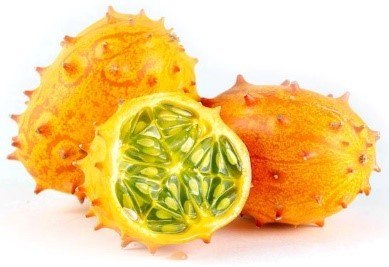
AKE APPLE

CİNNAMON APPLE
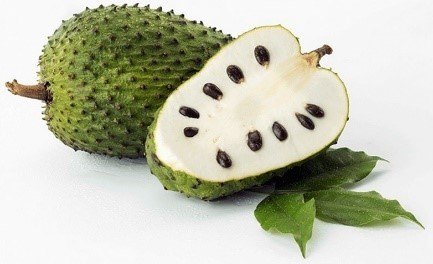
BABAKO

DATE PEACH

PEANUT BUTTER FRUIT
Nance Fruit

STAR FRUIT

COCONUT
AFRICAN PEAR
IDIOT FRUIT

CREAM TREE

QUEEN OF FRUITS
PASSİONFLOWER

RAMBUTAN




©2022 GardeneryHouse Her Hakkı Saklıdır.