
DATE PEACH
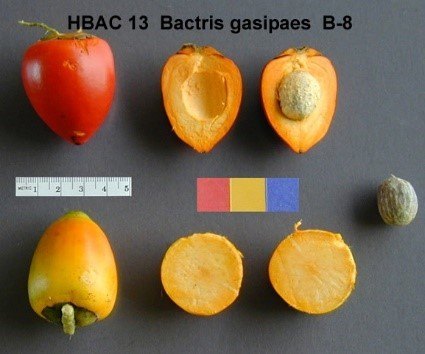
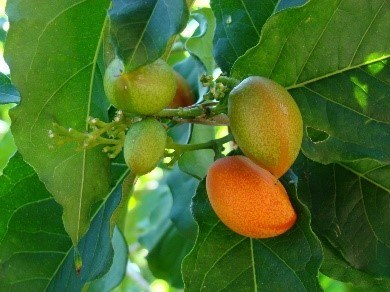
Peach palm (Latin Bactris gasipaes) is a plant of the Palm family without a voluminous crown, with a not very thick trunk up to 30 m high with evergreen leaves, the length of which can be up to 3.6 m. The flowers are yellow-white. The fruits are edible, yellow, orange or red, collected in clusters of 50-70 according to the season.
it is thin. It has a juicy pulp with a sweet taste and one big bone inside. The forests of South America are called the birthplace of this palm tree - Peru, Brazil, Ecuador, Colombia. In the wild, it grows mainly on the shores of the Amazon and is grown in Costa Rica and India, in the Philippines, in a word, in the tropics, where it is warm and sunny all year round. The fruits are most often eaten fried or boiled.
There are many varieties of Bactris gasipaes. Fruiting varieties are usually spiny. Those whose fruits are for human consumption have a high fat content (10-20%), while those for animal feed have a high protein content (up to 14% in pulp and seeds). In Brazilian fruit production, varieties with different fruiting periods are grown so that the harvest time can be longer: Eastern Amazonian varieties bear fruit from February to May, and varieties from the Solimoes river produce from September to December. Varieties grown for palms have been chosen to be devoid of thorns, which makes them easier and safer to handle.
Peach palm does well in the humid tropics of South America in conditions where deep, fertile, well-drained, relatively low altitudes (< 800 m above sea level) prevail with abundant but well-distributed precipitation (2000-5000). mm/year) and average temperatures are above 24°C. Peach palm still produces relatively well in poorly degraded soils such as highly eroded laterites with acidic soils saturated with 50% aluminum, but without additional nutrient inputs, production is reduced in the long run. Peach palm does not tolerate waterlogged soils and is tolerant of relatively short dry seasons (3-4 months) if soils are not excessively sandy. However, dry seasons significantly reduce growth and yield. Seeds need some shade for germination, while the tree needs full sunlight.
BANANA
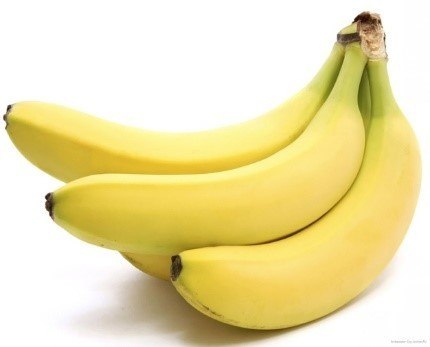
Mango

KIWI

AVOCADO

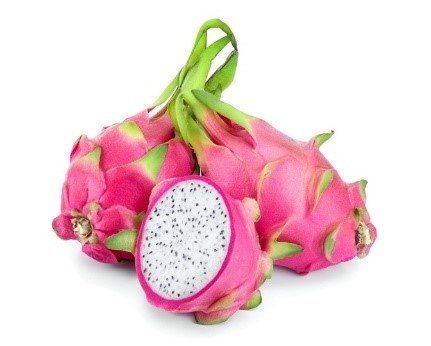
DRAGON FRUIT
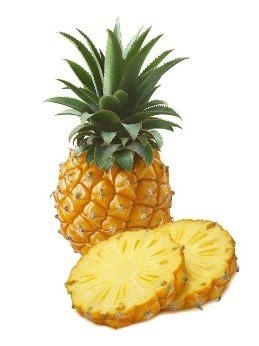
PİNEAPPLE
BLUEBERRIES
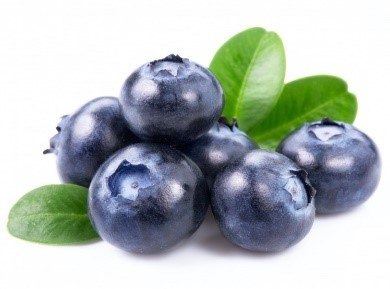
ORANGE

MANDARIN
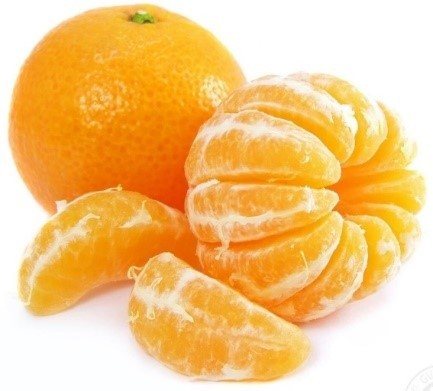
LEMON
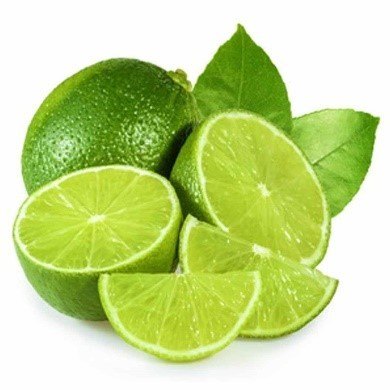
GUAYABO FRUIT
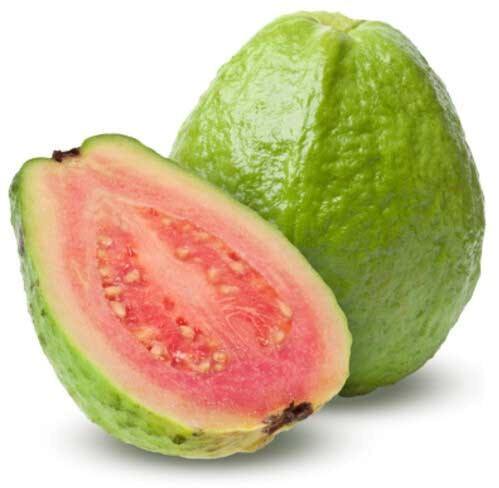
WOLF GRAPES

MELON FRUIT
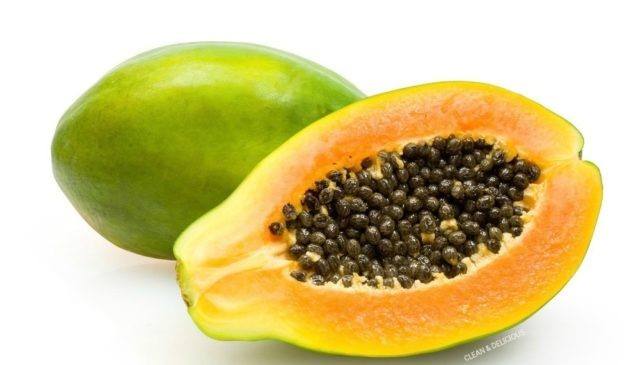
COFFEE FRUIT
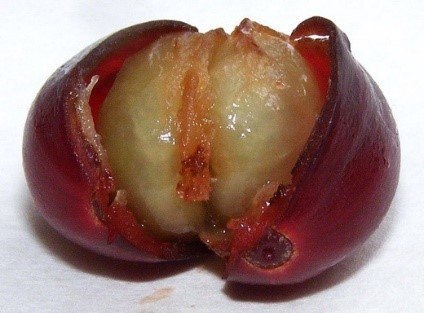
HORNED MELON
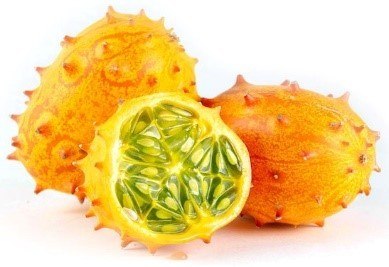
AKE APPLE

CİNNAMON APPLE
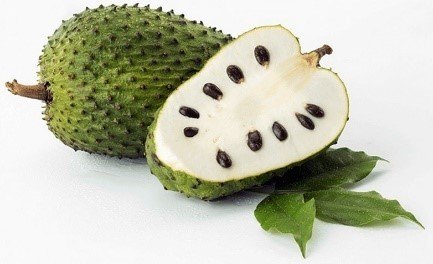
BABAKO

DATE PEACH

PEANUT BUTTER FRUIT
Nance Fruit

STAR FRUIT

COCONUT
AFRICAN PEAR
IDIOT FRUIT

CREAM TREE

QUEEN OF FRUITS
PASSİONFLOWER

RAMBUTAN




©2022 GardeneryHouse Her Hakkı Saklıdır.