
BABAKO
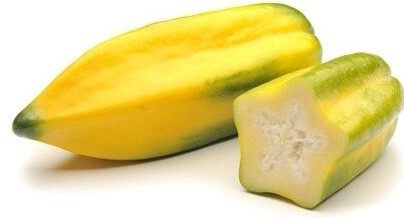
Babako (Vasconcellea × heilbornii) is a hybrid species that emerged naturally by crossing mountain papaya (Vasconcellea cundinamarcensis) with another papaya species called Vasconcellea stipulata. It is found in South America at an altitude of 2,000 meters. Since it is a hybrid species, it is a sterile species (its flowers are only female) and cannot reproduce from seed, however, it is propagated from cuttings and roots. It has a life cycle of approximately 8 years, and 30 to 60 trees can bear fruit per year. Its fruit is seedless; It is said to have a mixture of papaya, kiwi and pineapple flavor.
Unlike Carica Papaya, it is more cold tolerant, it can tolerate cold down to -5 degrees. Just like papaya, fruits can be eaten and juice can be made. Various cultivars are grown in New Zealand, California, Channel Islands, some cold-protected regions of England such as Guernsey, Sicily, Calabria of Italy.
Babako is a delicious fruit that is grown in many parts of the world and has numerous health benefits. Babako is a relative of the papaya, but it has a seedless, smooth skin and also a good flavor, and this fruit takes the shape of a star when cut. The scientific name of Babako is Vasconcellea heilbornii. It belongs to the genus Vasconcellea, family Caricaceae. This fruit is believed to be native to the Andes Mountains of northwestern South America, from southern Colombia to central Chile, but today it is also widely grown for domestic and commercial purposes all over the world. There are many health benefits due to the various vitamins, minerals and nutrients found in Babako
BANANA
Mango

KIWI

AVOCADO

DRAGON FRUIT
PİNEAPPLE
BLUEBERRIES
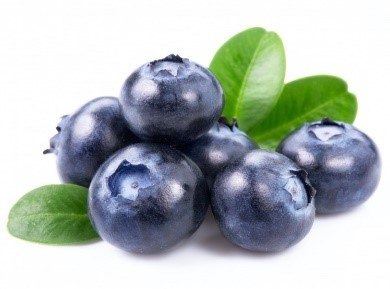
ORANGE

MANDARIN
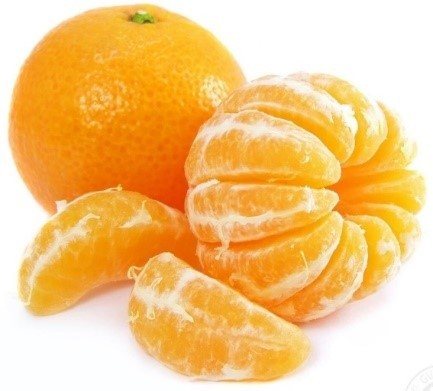
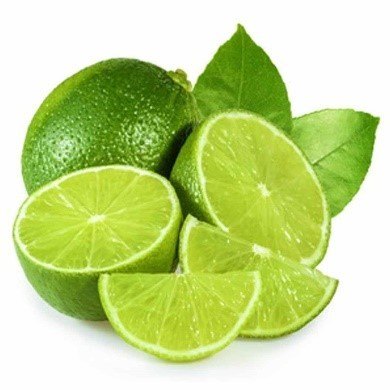
LEMON
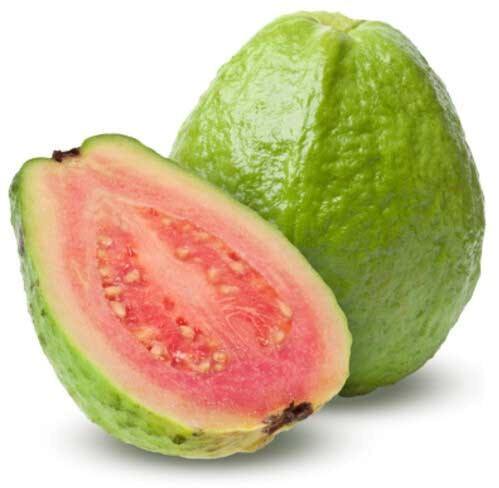
GUAYABO FRUIT
WOLF GRAPES

MELON FRUIT
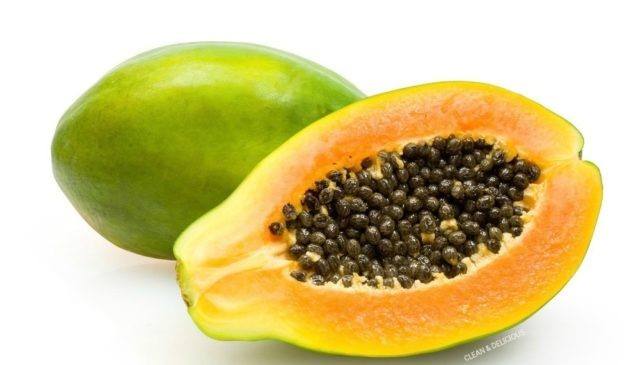
COFFEE FRUIT
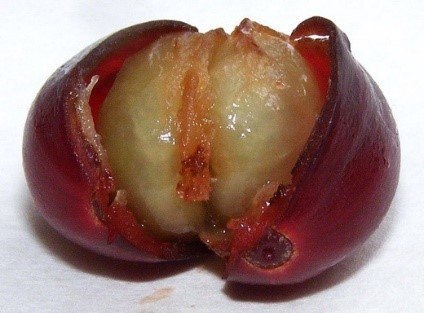
HORNED MELON
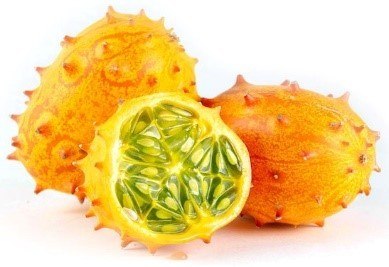
AKE APPLE

CİNNAMON APPLE
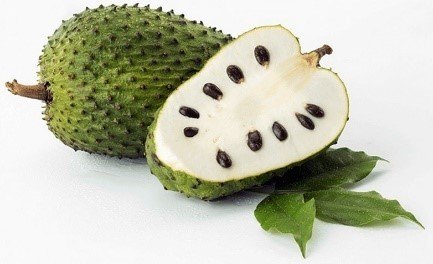
BABAKO

DATE PEACH

PEANUT BUTTER FRUIT
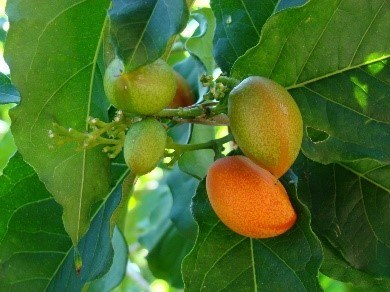
Nance Fruit

STAR FRUIT

COCONUT
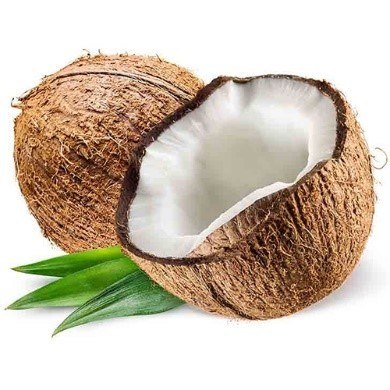
AFRICAN PEAR
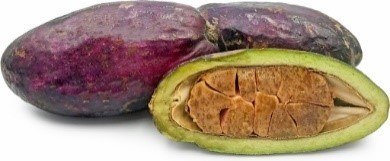
IDIOT FRUIT

CREAM TREE

QUEEN OF FRUITS
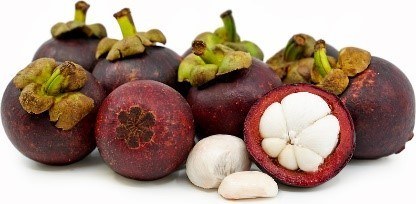
PASSİONFLOWER

RAMBUTAN




©2022 GardeneryHouse Her Hakkı Saklıdır.